

18 inch bathroom mirror
How to Turn Off the Main Water Valve A Step-by-Step Guide Every homeowner should know how to turn off the main water valve. Whether you are dealing with a plumbing emergency, performing maintenance, or preparing to leave your home for an extended period, being able to quickly and effectively shut off the water supply is crucial. This guide will walk you through the steps necessary to locate and turn off the main water valve in your home. Why You Need to Know Understanding how to turn off your main water valve can save you from significant damage and costly repairs. A burst pipe or a malfunctioning appliance can lead to flooding, mold growth, and structural damage. By shutting off the water supply, you can prevent such scenarios from escalating. Additionally, knowing how to turn off the water is essential before undertaking any plumbing repairs or renovations. Locating the Main Water Valve The first step is locating the main water valve in your home. The main water valve is typically found in one of the following areas 1. Basement or Crawl Space If your home has a basement or crawl space, the main water valve is often located near where the water line enters the home. Look for a round or oval-shaped valve connected to the water line. 2. Utility Room In homes without basements, the valve may be in a utility room, often near the water heater or other plumbing appliances. 3. Outside Some homes, particularly those in warmer climates, may have the main water valve located outside, usually near the property line. 4. Garage Check your garage, especially if it is attached to the house, as many water lines enter through this space. Identifying the Valve Type how to turn off main water valve Main water valves can be either a gate valve or a ball valve. A gate valve typically has a round wheel-type handle, while a ball valve usually has a lever handle. Being familiar with these types will help you identify how to operate them. 1. Gate Valve To turn off a gate valve, turn the handle clockwise. This may require a bit of force, as gate valves can become stiff over time. 2. Ball Valve A ball valve operates more smoothly; simply turn the lever perpendicular to the pipe to shut off the water. When the lever is parallel to the pipe, the water is on. Turning Off the Main Water Valve Once you’ve located and identified your main water valve, it’s time to turn it off. Follow these steps 1. Clear the Area Ensure that the surrounding area is clear of any obstructions. This precaution will allow you to maneuver easily and access the valve without any hindrances. 2. Turn Off the Valve For a gate valve, grasp the handle and turn it clockwise until it stops. If it feels stiff, apply consistent pressure rather than forcing it. For a ball valve, simply turn the lever until it is perpendicular to the pipe. 3. Check for Leaks After you have turned off the valve, it’s essential to check for any leaks in the system. Open a faucet in your home to relieve any remaining pressure in the pipes; this will also help confirm that the water supply is off. Final Notes Once you’ve successfully turned off the main water valve, you can proceed with your plumbing repairs or take measures to prevent water damage. Remember to periodically check the functionality of your valve, as valves can deteriorate over time. If you notice any issues, such as rust or difficulty in turning the valve, it may be wise to consult a plumber for maintenance or replacement. In conclusion, knowing how to turn off your main water valve is a simple yet essential skill for every homeowner. It’s an easy step that can provide peace of mind and protection against unexpected plumbing disasters. Take a few moments to locate your valve today, and you’ll be prepared for any future emergencies!
about
18 inch bathroom mirror
Understanding the Importance of the Main Valve in Water Systems Water is an essential resource that sustains life, supports agriculture, and facilitates industrial processes. Within the expansive network of water distribution systems, the main valve plays a critical role in managing water flow and ensuring system functionality. In this article, we will delve into the significance of the main valve, its components, functionalities, and maintenance practices, shedding light on why this seemingly unassuming piece of equipment is vital for both residential and commercial water systems. The Role of the Main Valve The main valve, often referred to as the shut-off valve or control valve, is typically positioned at the point where water enters a building or facility. Its primary function is to control the flow of water within the system. By regulating this flow, the main valve can help maintain optimal pressure levels, manage water distribution, and prevent potential leaks. In the event of a plumbing emergency, the main valve allows users to swiftly cut off the water supply, minimizing damage and facilitating repair efforts. Types of Main Valves Several types of main valves are utilized in water systems, each designed for specific applications and functionalities . The most common types include 1. Gate Valves Often used for on/off control, gate valves operate by lifting a gate out of the flow path. They are generally not suitable for throttling flow but are an excellent choice for applications that require a straightforward shut-off. 2. Ball Valves Known for their durability and reliability, ball valves control water flow with a hollow, perforated ball. They provide quick shut-off capabilities and are less prone to leakage, making them ideal for high-pressure systems. 3. Globe Valves Globe valves are designed for precise throttling and flow regulation. They feature a spherical body that directs water flow, allowing for more controlled adjustments, which is beneficial in situations requiring fine-tuning of water pressure. main valve water 4. Butterfly Valves These valves utilize a rotating disc for flow control and are typically used in larger industrial applications. Their compact design allows for quick operation, making them suitable for systems requiring rapid flow adjustments. The Importance of Maintenance Like any mechanical system, the main valve requires regular maintenance to ensure optimal performance and longevity. Neglecting maintenance can lead to valve failure, which may result in costly repairs, water waste, and potential property damage. Key maintenance practices include - Regular Inspections Periodic checks can help identify signs of wear, corrosion, or leakage early on. Homeowners and facility managers should inspect visible components of the valve and surrounding pipework. - Cleaning and Lubrication Debris and sediment buildup can hinder the valve’s operation. Cleaning the valve and applying appropriate lubricants to moving parts can enhance functionality. - Testing Automated systems can benefit from routine testing to ensure that the valves respond correctly to control signals and maintain desired pressure levels. - Replacement If a valve shows signs of significant wear or failure, it’s important to replace it promptly to avoid disruptions in water service. Conclusion Understanding the vital role of the main valve in water systems emphasizes its importance in our daily lives. Whether in residential settings or industrial applications, maintaining the efficiency and reliability of main valves can greatly impact water management. With a commitment to regular inspection and maintenance, users can ensure that their water systems operate smoothly and efficiently, safeguarding this precious resource for future generations. Investing time and resources into proper valve care is not just a matter of functionality; it is a step towards sustainability and responsible water usage.
-

High quality industrial productsagement

High quality industrial products
View Details -

Meet the diverse needs of customers

Meet the diverse needs of customers
View Details -

Strict quality control

Strict quality control
View Details -

Top raw materials

Top raw materials
View Details -

Trusted supplier

Trusted supplier
View Details
Our application


news and information

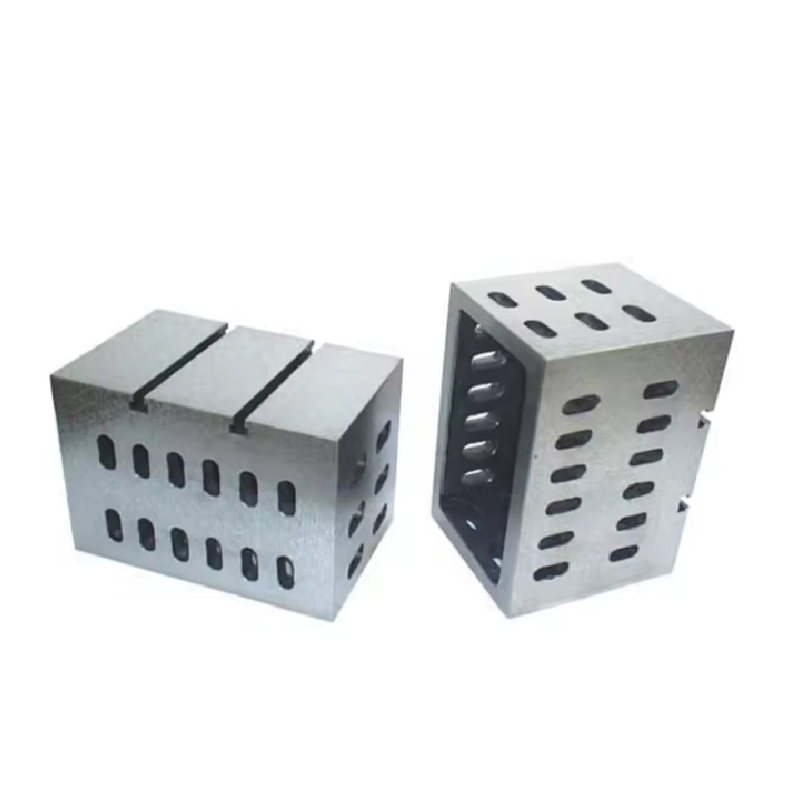
v blocks for sale
V Blocks for Sale An Introduction to a Unique Real Estate Opportunity In today’s fast-evolving real
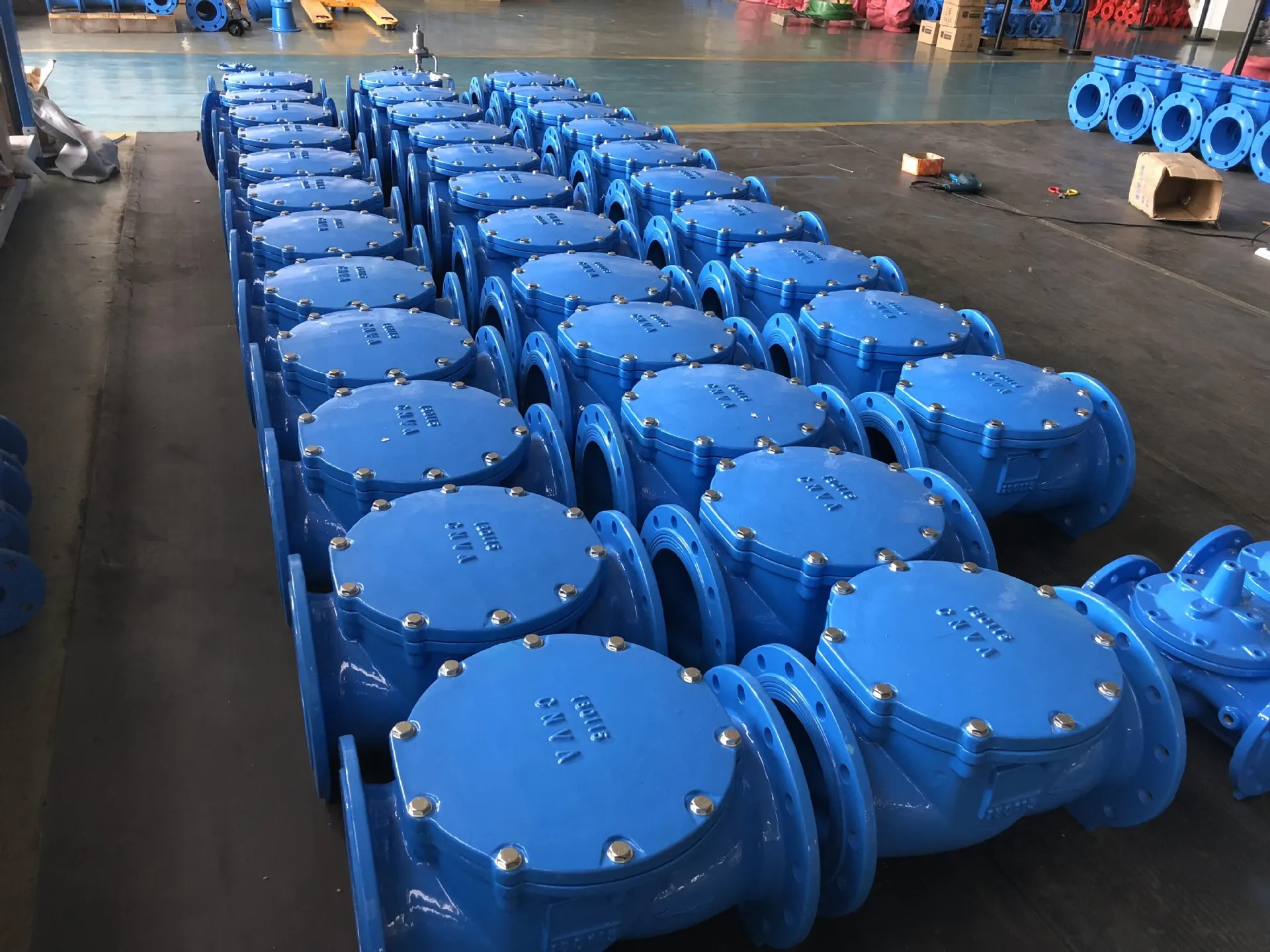
Vertical Y Strainers for Efficient Liquid Filtration Solutions
vertical y strainer .
water line check valve
Understanding the Importance of Water Line Check Valves Water line check valves play a crucial role
 English